

I had taken a wrong turn, but when I saw this sign today, whose background is admittedly a mystery to me, it still felt resonant.
I continue to wonder, after having advocated for so many years now for at least consideration of the possibility that the increasingly conglomerated corporate marketing/journalism sector’s influence on public affairs could be counter-balanced – or simply held accountable – whether anyone outside of media has heard.
As I have shared before, my persistence is not because I do not love the field of journalism – I do – but as I believe it might be better both for journalists and citizens to allow as much room in public affairs dialogue for listening as there is for talking.
While a lot has changed in the last 4-5 years, this week I revisited a series of diagrams I produced when proposing the idea of a listening agency; and I still find it helpful to visualize policy forces.
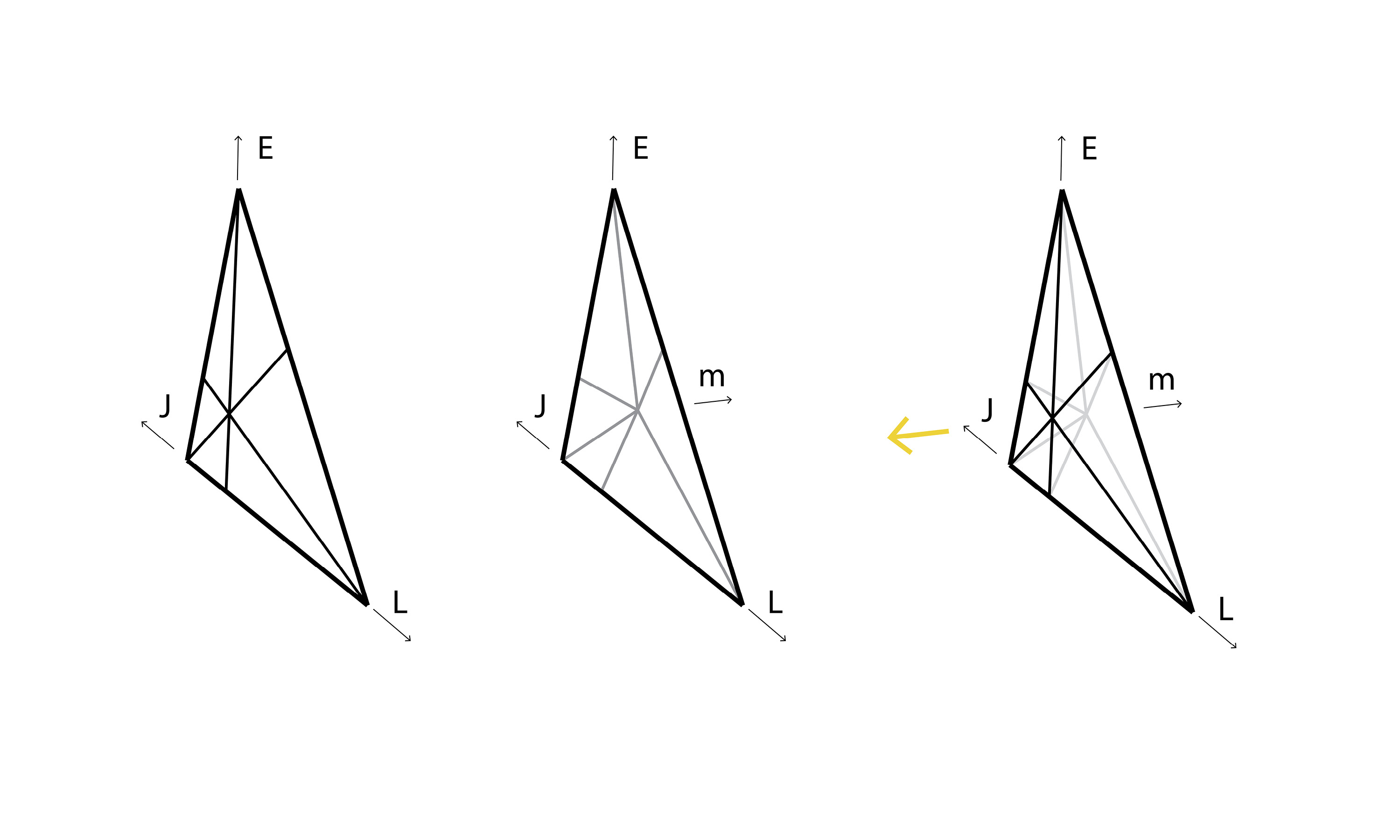
While it certainly does seem that, politically, expansions and contractions of government continue to occur on cue, signaling that voters are using the primary tool at our disposal with which to express discontent, I believe that answers to voter concerns are not always located along the conservative-liberal political continuum but, rather, along an unacknowledged axis and involve a desire to be heard in a more granular way or, at least, limit exposure to the advertised opinions of falsely-labeled former journalists.
I believe that in the future it will be essential to transition from the fossil fuel of insecurity, which powers passive media consumption, and to at least try out the renewable energy of engagement.
It seems to me it is out of timidity that people express themselves by tuning into one channel or another, turning to where they feel enraged rather than inspired and allowing themselves to be represented, essentially, by talking heads. Here I believe it is important to note that power and fortune are no infallible signal of integrity or ingenuity – celebrity figurehead influence seems to get bought by corporations on practically a daily basis and would seem as vulnerable to the practice as a security guard approached by bank robbers who would pay him a fortune to turn.
Given that, in modern forms of exploitation, there almost always seems to be a triangulation of three elements – a public figurehead, some form of background leader, and a target, I believe it may still be essential to protect against appearance-only solutions. In rejecting the gimmick of trickle-down social justice theory and holding out for structural and not just compositional change, it may be possible to self-inoculate against celebrity representation so that one is not only watching, but experiencing, progress.
For all of the discussion there seems to have been recently about the problem of cancel culture, I believe it is a wonder that solutions are not more readily acknowledged and implemented. I do not believe many – if any – women particularly wished to identify themselves or their perpetrators during the metoo movement but, rather, recognized that their voices were going unheard and felt it essential to point out that there appeared no other way to report. It would seem the obvious answer to this predicament in a proliferating news industry either unwilling or unable to hold itself accountable is (1) an internal solution such as a business model conducive to human rights protections within media organizations, or (2) an external solution such as the formation of some sort of body willing to hear and address continued, and perhaps worsening, human rights abuse concerns. Otherwise, wouldn’t we be left endlessly chasing our proverbial tails, turning ourselves around pointlessly while such orgs profit off of citizen angst forever?
 Recent Writing