
“Mye-gan,” my Russian friend’s mom called me, with the most unforgettable warmth.
It’s a wonder how perfectly opposite expectations (including cultural ones) and actuality can be.
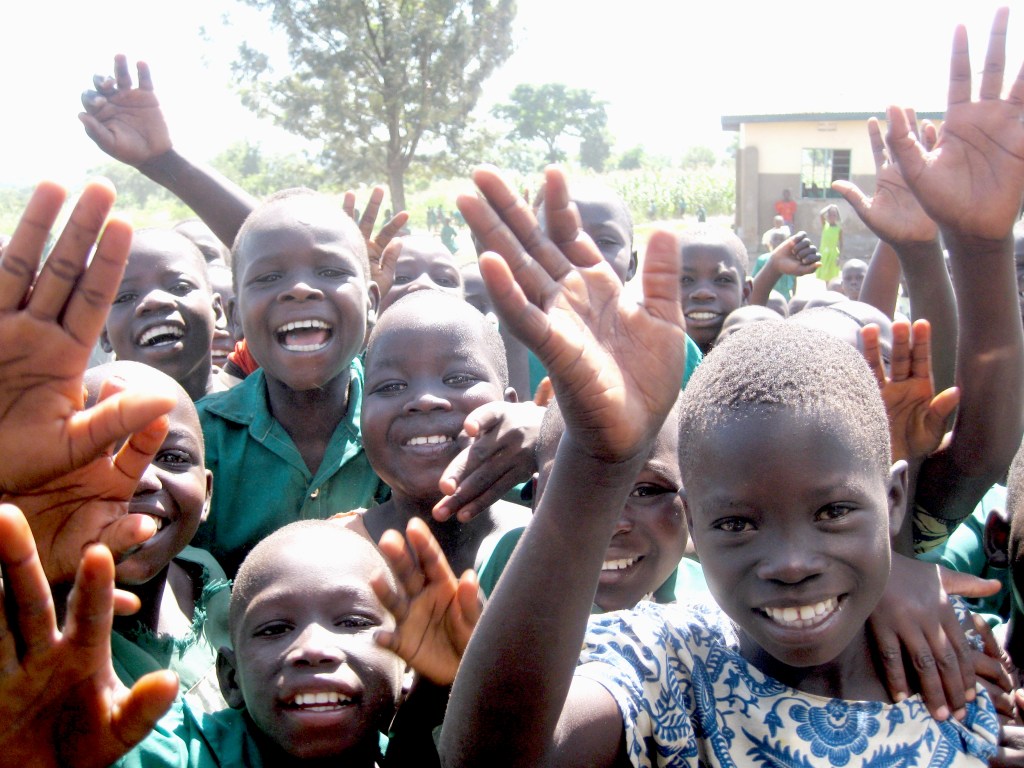
I have written before about how surprised I was to learn how much I adored China after having originally been afraid to fly there; and after doing a great deal of similar, inward work to convince myself to volunteer in Uganda several years ago, I left practically kicking and screaming inwardly having ended up loving Entebbe so much. (One of the most poignant moments I’ve experienced in volunteering abroad was in arriving, after a long drive, to a fairly remote primary school outside of Masindi. Because there was no phone infrastructure in place, I do not believe anyone there knew my colleagues and I were coming that day; and I’d felt a little bit worried until a school leader approached with such a reassuring calm, poise and warmth to say “you are very welcome here” that I felt at ease right away. Her students’ brilliant kindness was an added bonus.)
On Discernment
It really isn’t any wonder that real leadership lay hidden, oftentimes, where it is not always expected. Like the Good Samaritan’s, it can even be from a nationality associated with wrongdoing. As we transition as a world from lazily holding the most vulnerable to one holding the most responsible accountable for problems, it would make sense to work together to more diligently discern between leadership qualities and titles.
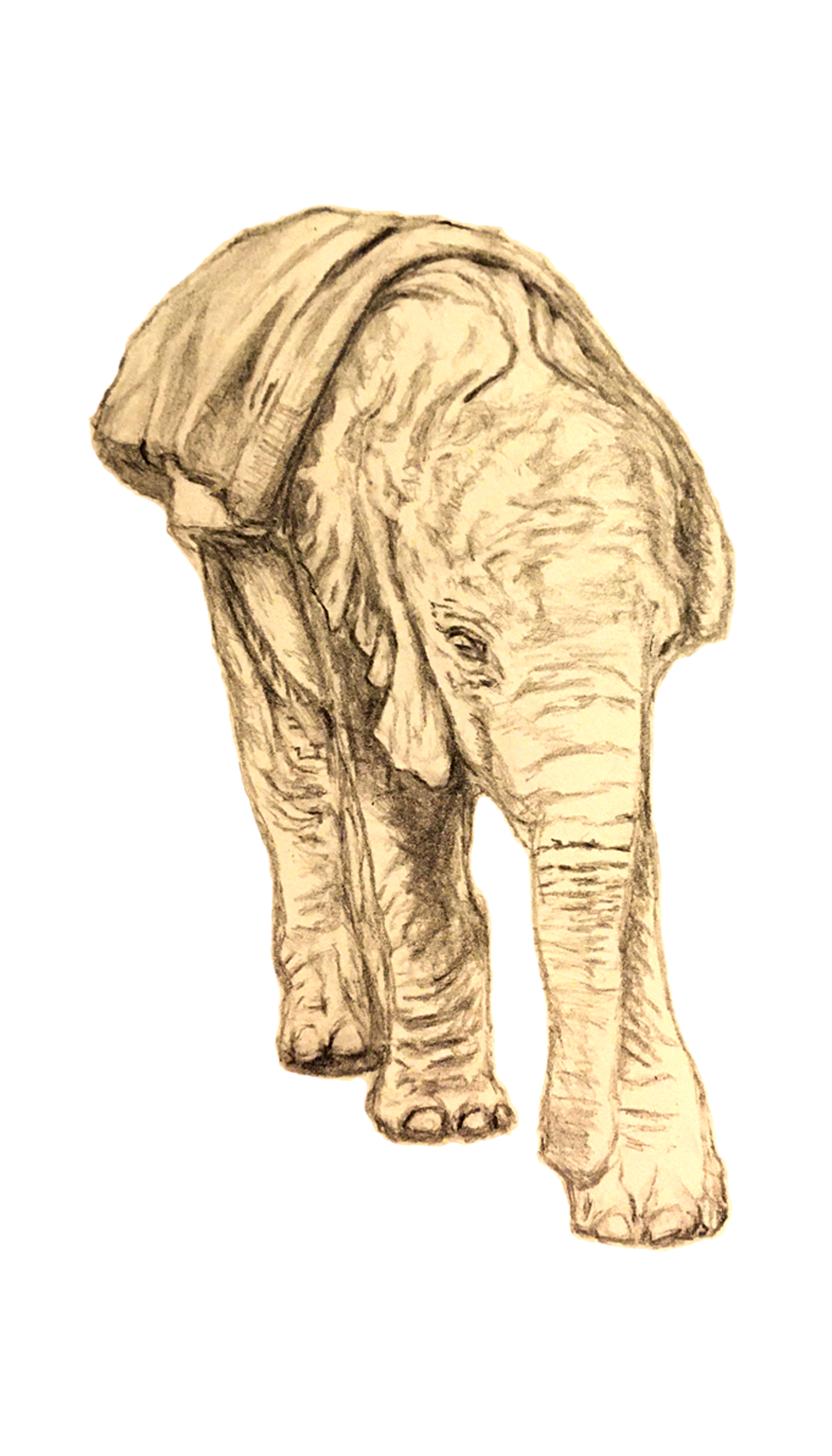
Several years ago, I had the privilege of visiting an elephant sanctuary where a Kenyan school for which I’d taught had adopted a little baby.
Elephants are not only naturally intelligent, but wise, I’ve loved learning since. And I’ve been intrigued by the contrast between the ways in which elephants are slaughtered in the wild and the ways in which they are not just protected – but actively nurtured – by rescuers who base their decisions to do so on an inward understanding that it is the right thing to do, rather than a measure relative to what is already being done, recognized, or required.
On Inertia
Nurturers and protectors are, rightly, being increasingly recognized as the leaders they are – by just about everyone but more corrupt media outlets. But I am learning it is important to maintain perspective and moderation in articulating related critiques. (I personally would prefer not to engage in critique at all, especially of the media industry, where I have before felt at home, but I do not feel at the moment I have much of a choice.)
In a balanced way, I believe it is wise to remember that, while both industries provide great value to the world, like big energy, big media can profit – massively – from solution avoidance and tragedy perpetuation, including exploitation, extraction, and even war. And until this industry is subject to some form of outside, structural, accountability, like almost all other structural components of a stable system of governance are, it may not always be the most reliable source of certain types of information, much less opinion. (Seeking either there could be like asking the nearest billionaire bank robber for advice about how to live your best life.) But I do not believe that means the world must forever be prevented from solving big, and even intimidating, problems.
On Progress
Gratefully, there has been a collective realization among observers of global affairs in recent years that, as a world, we must recognize the importance of raising boys from toddlerhood well before they become nuclear-armed septuagenarians, regardless of how profitable ogling at and associating with them can be for a select few.
Righted systems and relationships, as they are inwardly guided, are, ideally, interdependent and not hierarchical. Protectors need to be nurtured just as nurturers need to be protected, for example; and although modern dictators, as adults, are fully responsible for their own behaviors, they arguably deserved to be raised when they were little; and I believe this is worth remembering.
I still believe that in the dangerous-feeling period of correction in which we find ourselves, we need not linger in the desiccants of dominating fear-mongering and anger and turn into impressionable prunes but, by watering and then expressing our full selves, be prepared to repel such elements.
On Inversion
Structural change, in my view, need not mean additional bureaucracy but simple rearrangement. May an answer be for individual truth-tellers to overthrow corporate storytellers, for intuition to assert its supremacy over imagination, and for us to, again, live in a government of principles and not of oligarchs?
Doing so would help deter corporate Hollywood from co-opting, and thereby destroying, human rights movements and help explain why this matters. And I believe it would help underscore what I believe is one of the main points of the women’s movement: that, while the personal costs of discrimination and gender-based harm are considerable (to say the least), the cost to the world of silenced contributions is arguably at least as enormous.
After their ability to trade stock was questioned, many media companies doubled down on value-signaling in the area of human rights even though the only measure of this that matters in evaluating their sincerity is how these questions are handled internally.
But how is this possible to verify?
On Precision
Going through an online tax filing process recently, I found myself, a city dweller, pausing after seeing the same series of irrelevant queries repeated a large number of times enough to ask myself questions like: wait, did I lose any farms to natural disaster last year?
It was not the frequency with which particular form sections were presented to me but their relevance, insight, and helpfulness that most mattered.
I believe it will be essential for contributors to an improved communications infrastructure to listen to one another, certainly, but, moreso, to spend time like the inspiring leaders who so clearly and transparently look to their own hearts for guidance in determining who to help, and how to do so effectively.
I love remembering, when meeting a group of baby elephants who had come to realize they were safe and very loved, that in stepping back at all I’d feel an adorable trunk immediately wrap assertively around my arm and firmly pull me back in. Their rescuers clearly do invaluable work in preparing each individual to go on to confidently nurture and lead; and I believe their examples are highly relevant.
The outcomes of such heroes’ work – to me at least – makes the process of raising baby elephants particularly inspiring. Not only because their chosen charges are vulnerable, but because they know what they’re doing.
 Recent Writing